The challenge
A convincing reference image does not automatically produce a convincing object. Hidden surfaces need interpretation, openings can close up during reconstruction, and baked colors can hide geometry problems. We built a collection where those choices can be inspected from more than one angle.
What we built
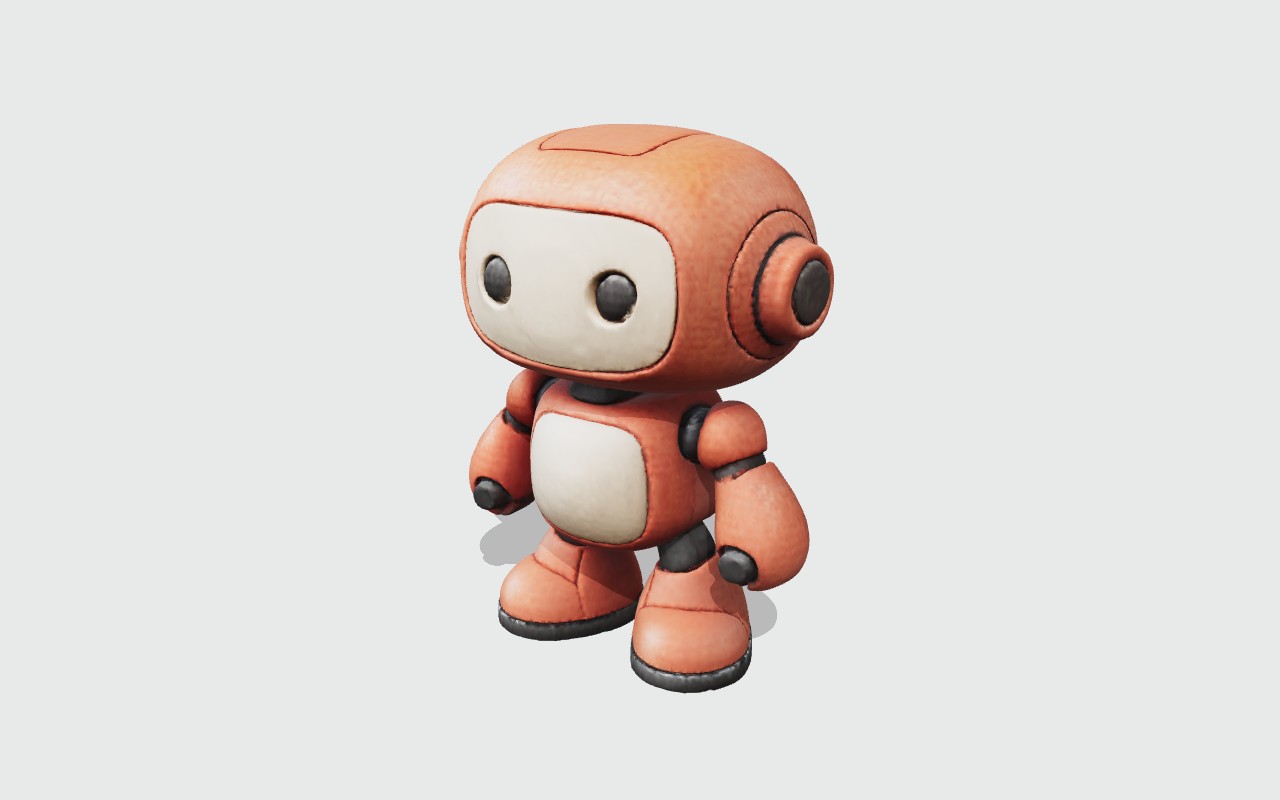
- Image-to-3D studies of a companion robot and a retro radio, followed by cleanup and surface refinement.
- Two versions of the MTech mark: direct extrusion from vector outlines and reconstruction from an image, available side by side as selectable models.
- A passenger jet with rebuilt wings, tail and engines, including open intakes and fan geometry. Earlier geometry and material iterations remain available for comparison.
- A shared browser viewer with orbit and zoom controls, front/side/rear views, material and clay modes, reference images and model downloads.
Geometry before presentation
We use image reconstruction where it helps establish volume, then rebuild parts when a silhouette, opening or surface needs more control. The logo comparison shows why clean vector outlines are valuable; the aircraft comparisons show what changes when wings and engines are rebuilt as geometry.
The viewer puts the reference and clay inspection close to the finished material view. Loading states, keyboard camera controls and a preview fallback make it possible to explore the work without treating a successful WebGL load as the only useful outcome.
Stack
Blender and Python for geometry and material work, TRELLIS reconstruction experiments, GLB assets and a Three.js viewer inside the Next.js application.
Where it stands
Public experiments in active refinement. Small markings, reconstructed surfaces and details hidden in the references remain approximate. These are inspectable studies, not CAD replicas.